2026-10-09
Household electricity demand can change after a battery storage system has been installed. Adding an electric vehicle charger, expanding a home, or increasing the number of backup circuits may create a need for additional stored energy. At Luzhihang, we encourage buyers to consider future capacity requirements during the initial system design rather than treating expansion as an afterthought. A suitable Floor-Standing Energy Storage System should match current household needs while offering a clearly defined upgrade path wherever the product configuration supports it.
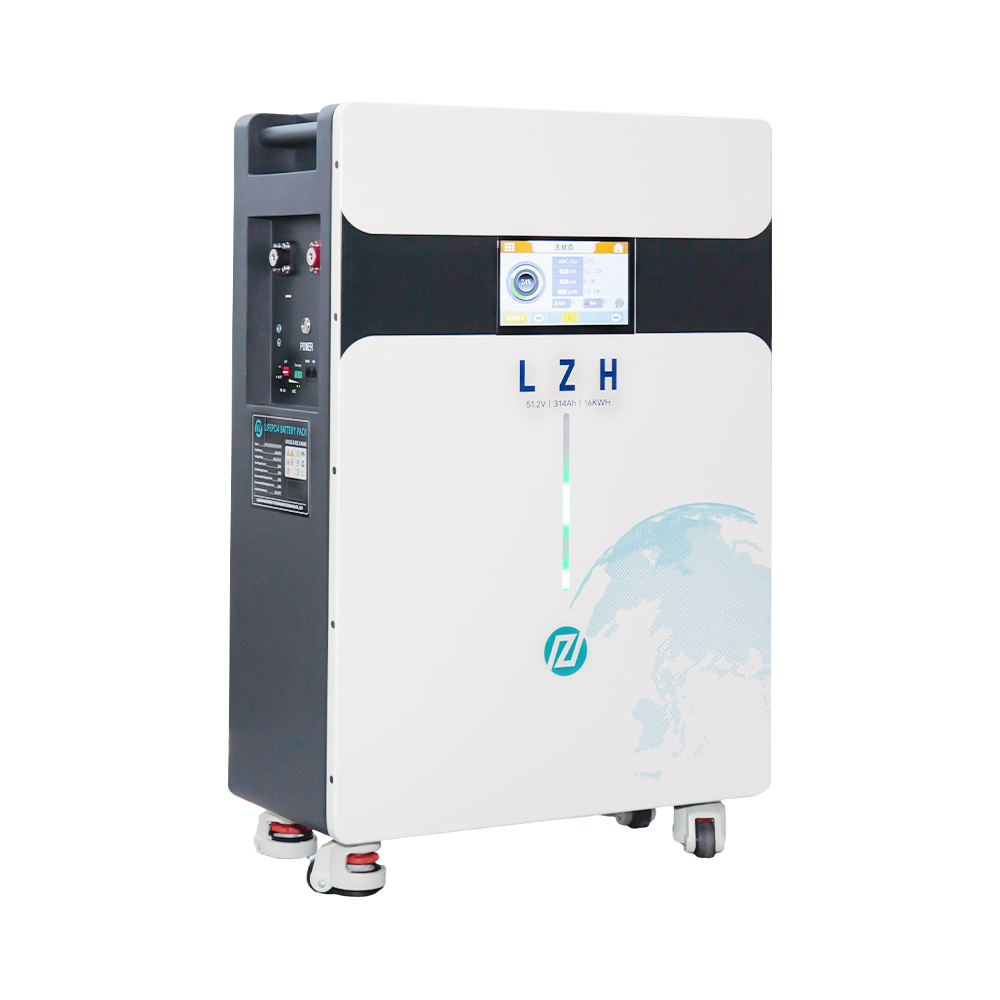
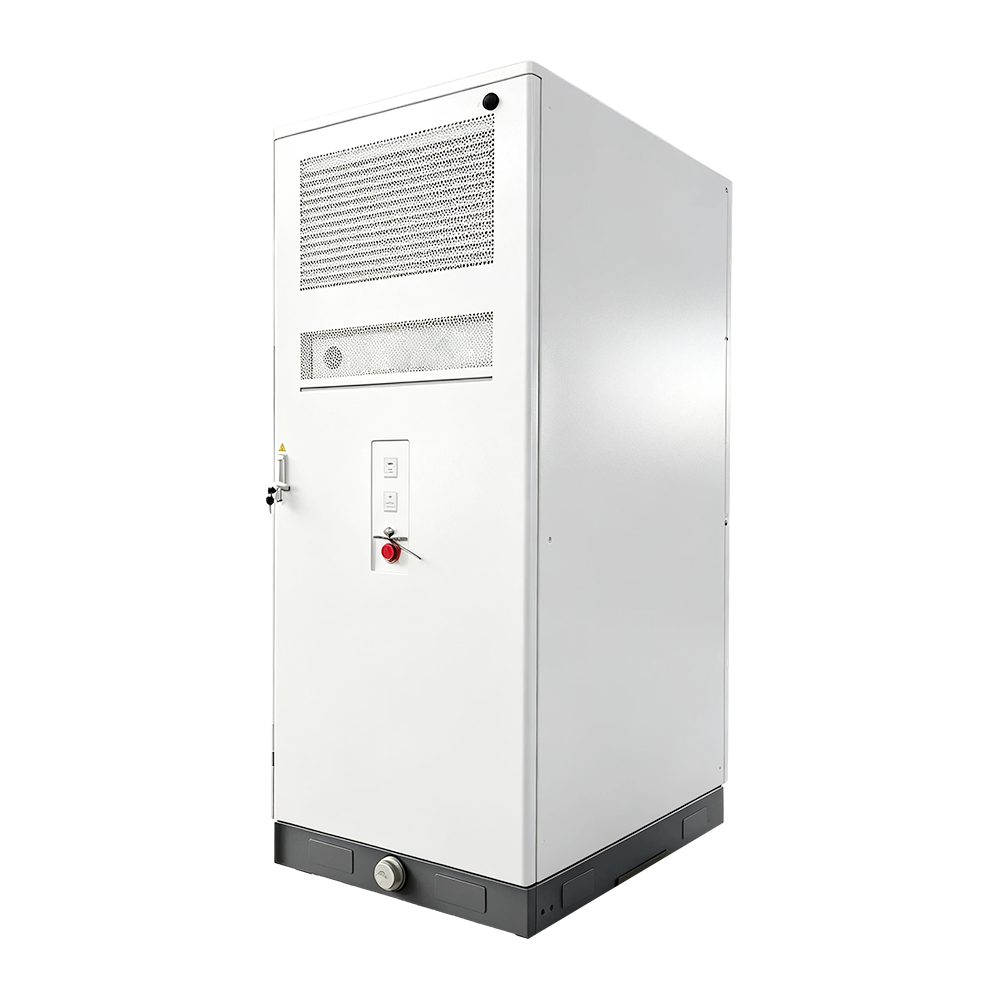
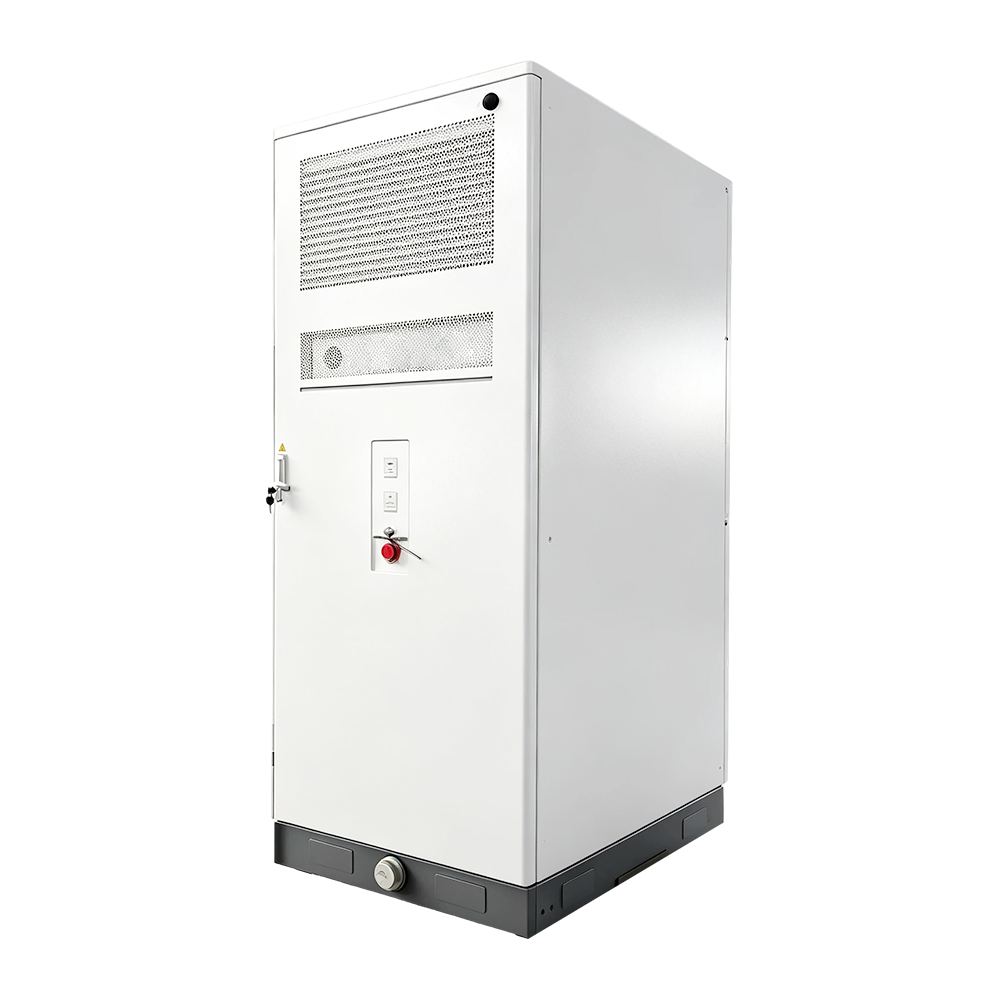
The cabinet's appearance does not determine its expansion capability. Internal battery connections, battery management functions, and the manufacturer's approved configuration establish whether additional storage units can be integrated safely.
Before placing an order, ask Luzhihang to confirm the expansion method supported by the selected model. Buyers should also request the permitted battery count, connection requirements, and applicable installation instructions. Do not assume that batteries with similar dimensions or nominal voltages can operate together.
Adding battery capacity does not automatically increase the power available to household appliances. Energy capacity, measured in kilowatt-hours (kWh), indicates how much energy the battery can store. Power, measured in kilowatts (kW), describes how quickly the system can deliver or absorb that energy.
An expansion plan should account for the following electrical parameters:
For example, a household may initially install 16 kWh of storage and later decide that 24 kWh would better cover evening consumption. The extra capacity could extend the available operating duration, but it will not necessarily increase the inverter's maximum output power. The final configuration must follow the specifications of the selected battery and inverter combination.
Floor-standing battery cabinets require suitable placement, stable support, and adequate access for installation and servicing. Future expansion may involve a larger cabinet, an additional battery unit, or extra electrical equipment, depending on the system architecture.
Our project planning recommendations include these practical checks:
Reserving space during the initial installation can reduce the need to rearrange other equipment during a later upgrade. The cabinet's expansion arrangement and environmental requirements should be verified against the product documentation rather than estimated from its external appearance.
Buying all required storage capacity at once is not always the right commercial decision. Some households prefer to begin with a smaller installation and increase capacity as electricity consumption changes. Others may find that installing the planned capacity together is simpler because electrical work, transportation, and commissioning can be coordinated in one project.
At Luzhihang, we suggest comparing both approaches using the same planning assumptions:
Battery age and operating history can also influence expansion decisions. A new battery may not be suitable for direct connection to an older unit unless the manufacturer approves that configuration. Confirming these conditions before the original purchase helps buyers estimate the financial implications more realistically.
At Luzhihang, we recommend sharing both current energy requirements and anticipated changes during the quotation stage. Information about daily electricity consumption, peak loads, solar generation, backup duration, and planned new appliances helps our team assess the proposed storage configuration.
Before confirming a floor-standing battery cabinet, buyers should obtain written answers to four questions:
A storage cabinet can support long-term household needs only when its expansion limits are understood and planned correctly. By reviewing battery architecture, inverter capability, installation space, and future costs before purchasing, buyers can make a more informed decision. Luzhihang can help assess the intended application and clarify the configuration requirements so that the proposed residential energy storage system aligns with both present demand and realistic future plans.
Recommended Products


Building B1, No. 66 Weishanhu Road, Kunshan Economic and Technological Development Zone, Kunshan City, Jiangsu Province, P.R.China

frank@luzhihang.com

+86 139 5488 6787


 English
 Español
 عربى