2026-10-02
A battery storage quotation can look straightforward on paper, yet the final project budget may contain costs that are not listed in the original offer. At Luzhihang, we believe a useful quotation should give project developers, EPC contractors, and procurement teams a clear view of the equipment supplied, services covered, and responsibilities that remain with the buyer. Comparing prices without checking these details can create budget gaps during installation and commissioning.
An Energy Storage System Manufacturer should provide sufficient technical and commercial information for buyers to evaluate the proposed configuration against their project requirements. The objective is not simply to compare the total amount on two quotations. It is to establish whether both offers cover the same scope, operating conditions, and delivery obligations.

Before reviewing individual prices, identify the commercial boundary of each proposal. A battery equipment quotation, a delivered equipment package, and a fully installed project quotation represent different levels of responsibility.
At Luzhihang, we recommend asking suppliers to identify included items, optional services, and exclusions in writing. This simple step helps procurement teams compare offers on a consistent basis rather than assuming that similar product descriptions represent identical project scopes.
Battery capacity is an important part of a storage quotation, but it does not describe the entire system. Buyers should confirm the rated energy, usable energy conditions, power conversion requirements, electrical interfaces, and auxiliary equipment before comparing prices.
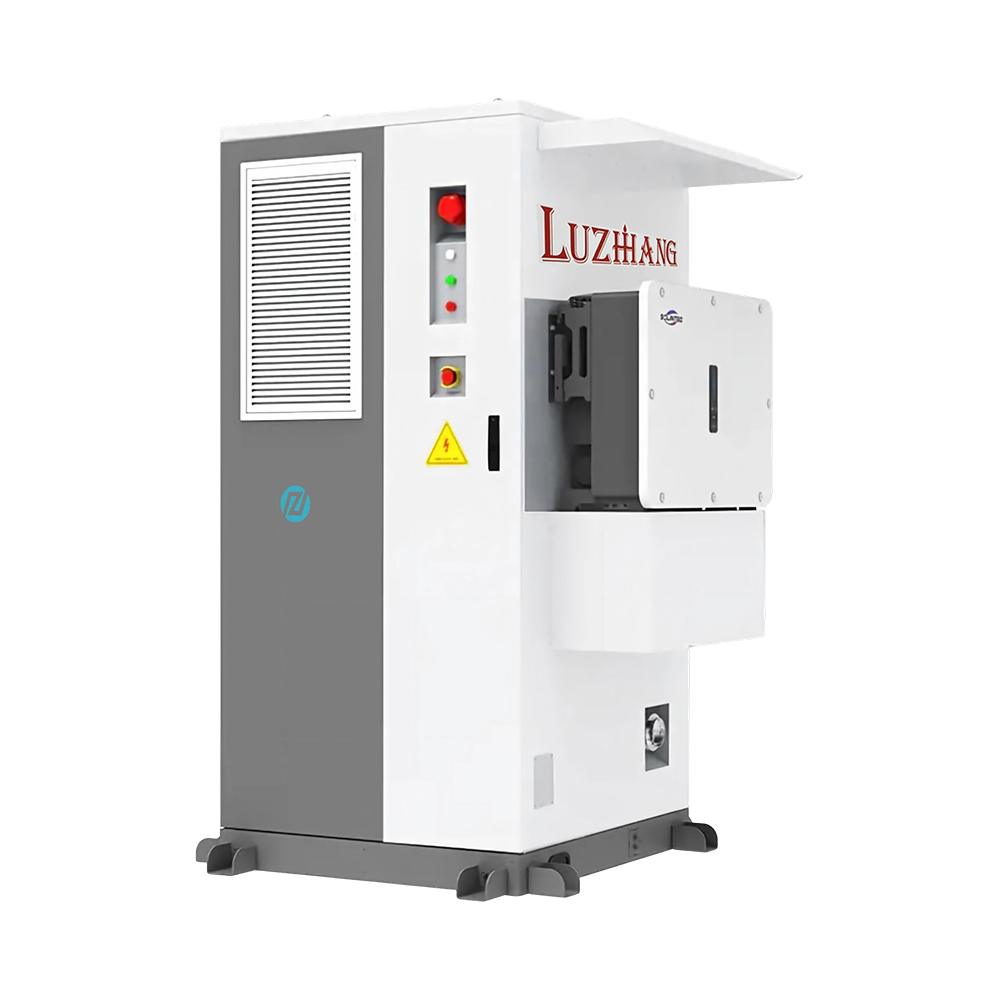
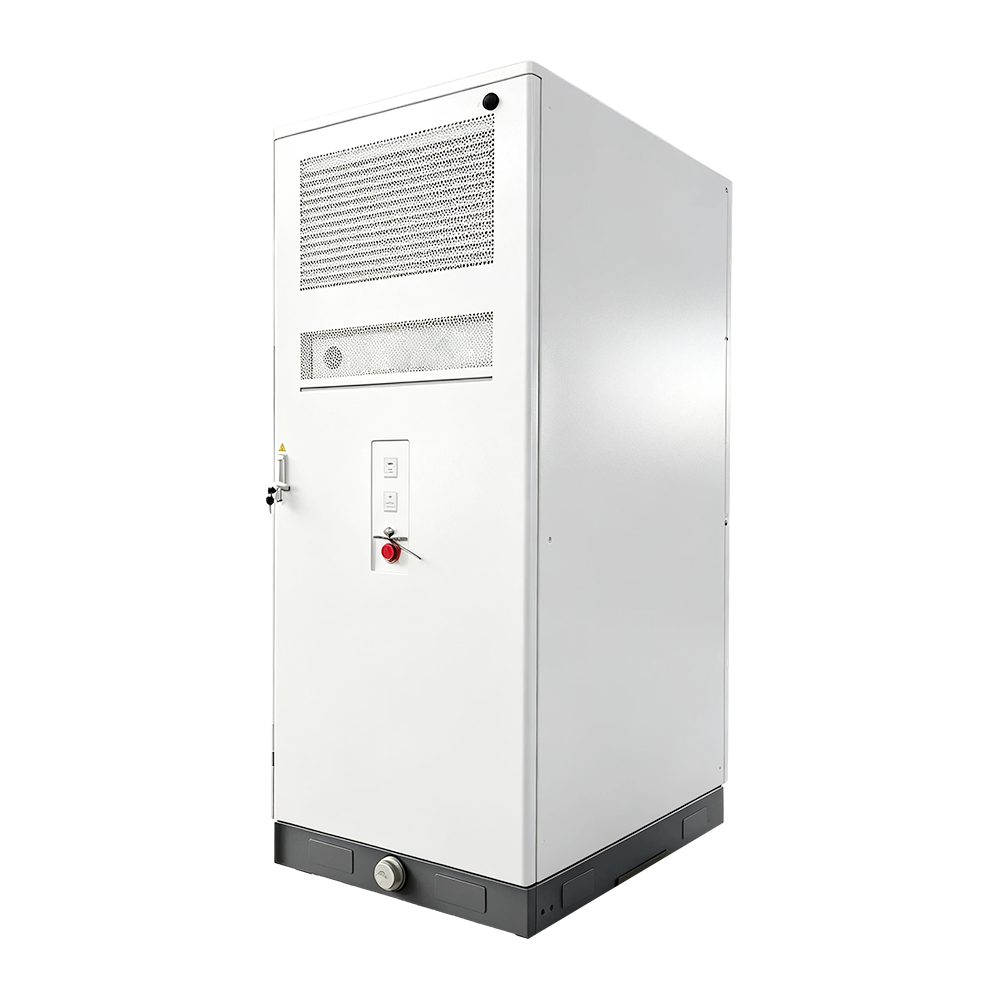
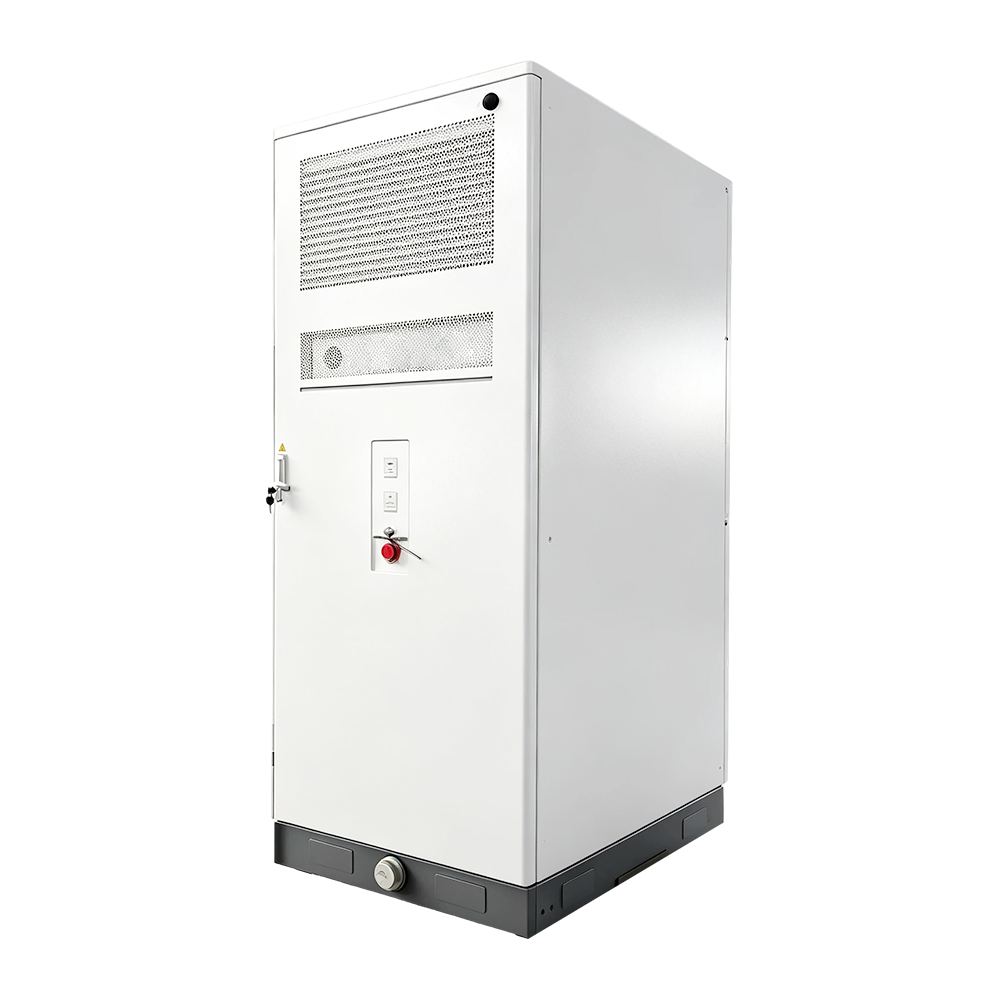
Our Hi-MO S L261X-DC utility battery storage system provides a practical example of the technical information that can support a quotation review. The published product specifications include the following details:
These specifications describe the product configuration, but they do not automatically establish the complete scope of a particular project quotation. Buyers should separately confirm the power conversion system (PCS), energy management system (EMS), external switchgear, transformer, communication interfaces, and other equipment required by the project design.
The distinction between rated energy and usable energy also deserves attention. Usable capacity depends on the agreed operating window and applicable system conditions. Request the relevant performance data instead of assuming that the rated kWh figure represents the energy available at the point of connection.
Site-related expenses can vary substantially between projects, even when the proposed battery systems have similar specifications. An installation on an existing prepared foundation may require different work from a project involving new foundations, cable trenches, lifting operations, or electrical infrastructure upgrades.
Our quotation review checklist includes the following site and construction items:
Not every project requires every item listed above. The actual scope depends on site conditions, the system architecture, local codes, and the division of work between the equipment supplier, EPC contractor, and project owner. A clear responsibility schedule helps prevent the same item from being omitted by every party or priced twice.
International procurement introduces additional commercial details that can affect the delivered project cost. A quotation should state the delivery destination, applicable Incoterms, packing arrangements, transportation responsibilities, and the treatment of import duties and taxes.
Battery shipments may require specific transport documentation and handling arrangements. Buyers should confirm the applicable requirements for the destination market and the selected shipping method before approving the commercial terms.
Equipment delivery does not necessarily mean a storage project is ready for operation. Commissioning may involve electrical checks, communication verification, protection testing, control-system configuration, and performance acceptance procedures.
Procurement teams should establish which activities are included in the supplier's scope and which must be arranged locally. A quotation review should address these questions:
Our Hi-MO S L261X-DC product information lists standards and transport references including IEC 62619, IEC 63056, IEC 62477, IEC 61000, UN 38.3, and UN 3480. Buyers should verify the exact documents, applicable editions, product scope, and destination-market requirements relevant to their project. A reference to a standard should not be treated as automatic approval for every installation or jurisdiction.
The purchase price is only one part of the commercial commitment. Warranty coverage, technical support, spare parts, software access, and service responsibilities can affect the cost of operating a storage installation over its planned service period.
At Luzhihang, we recommend reviewing the following details before comparing warranty offers:
Warranty duration alone is not enough to compare two offers. The operating conditions, exclusions, claim procedures, and remedy provisions should also be reviewed. Any performance guarantee should be supported by clearly stated measurement methods and acceptance criteria.
A structured comparison makes commercial discussions more productive. Rather than reviewing several proposals using different assumptions, buyers can place each offer against the same list of requirements.
Any unpriced item should remain visible in the comparison. Buyers can request a separate estimate or assign the work to another contractor, then add the expected expense to the project budget. This produces a more meaningful comparison than relying on the headline quotation alone.
At Luzhihang, we encourage project partners to share their technical requirements and delivery expectations before requesting a final quotation. Information about the application, required energy capacity, power conversion arrangement, site location, grid conditions, and installation responsibilities helps us identify the relevant equipment configuration and clarify the commercial scope.
Our DC-coupled utility storage solution is designed for photovoltaic projects that integrate solar generation and battery storage on the DC side. Its suitability depends on the project's electrical design, operating requirements, and integration plan. Buyers can review the published specifications and discuss configuration details with our team before making a procurement decision.
A dependable budget does not depend on the lowest number printed on a quotation. It depends on knowing what that number covers, what remains outside the contract, and how the complete system will be delivered, tested, and supported. By comparing equipment, site work, logistics, compliance, and long-term obligations under consistent assumptions, project teams can make purchasing decisions with a clearer understanding of the financial commitment.
Recommended Products


Building B1, No. 66 Weishanhu Road, Kunshan Economic and Technological Development Zone, Kunshan City, Jiangsu Province, P.R.China

frank@luzhihang.com

+86 139 5488 6787


 English
 Español
 عربى