2026-10-16
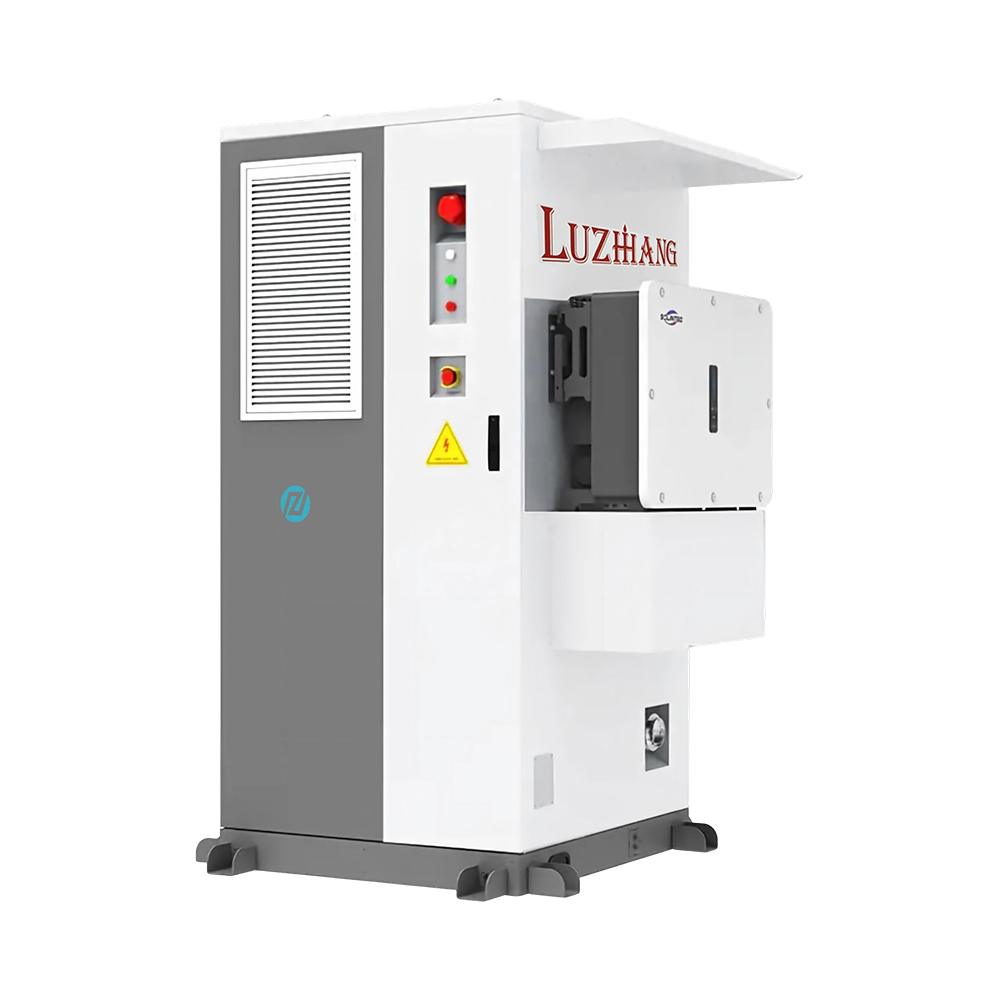
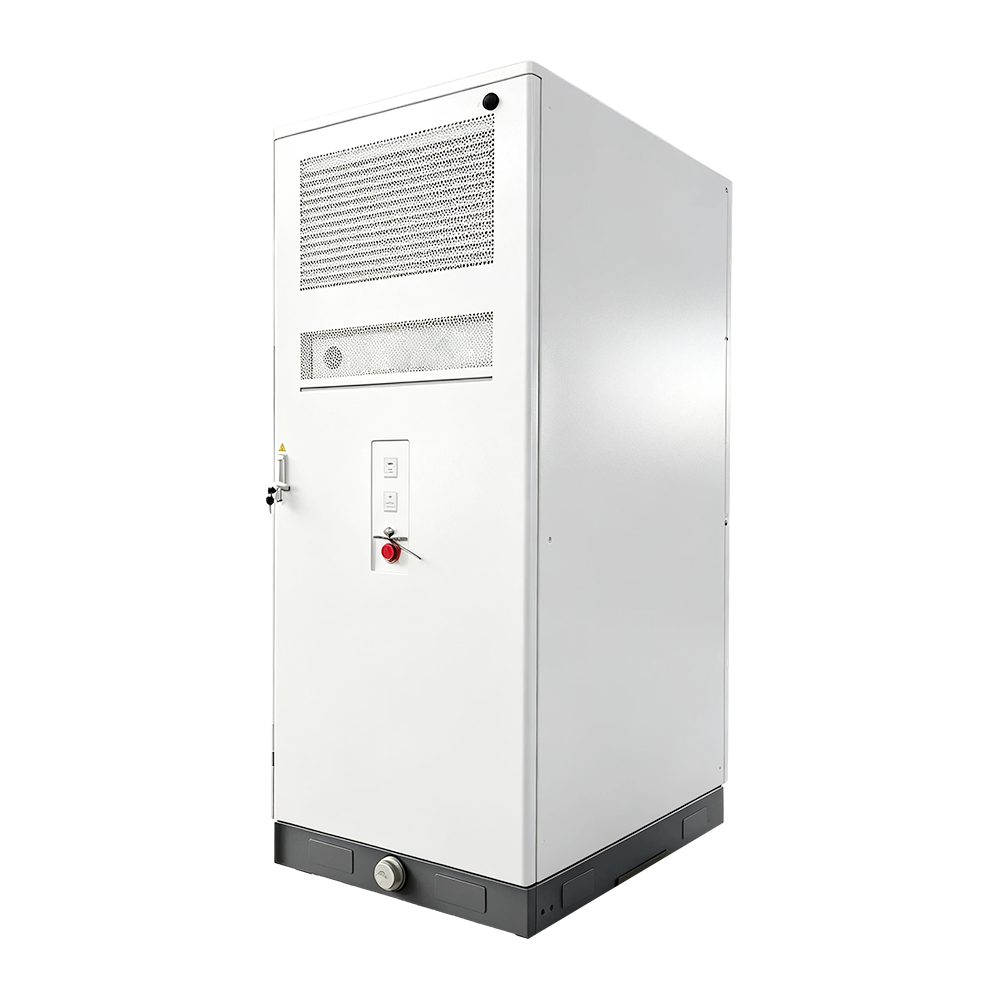
Installing a commercial battery storage system involves more than placing a cabinet beside an electrical room and connecting a few cables. The system must communicate with existing equipment, follow site operating requirements, and comply with applicable electrical and safety rules. At Luzhihang, we encourage project owners and EPC contractors to clarify integration responsibilities before ordering equipment. An All-in-One C&I Energy Storage System can combine key subsystems within a coordinated package, but connections to external site equipment still require careful planning.
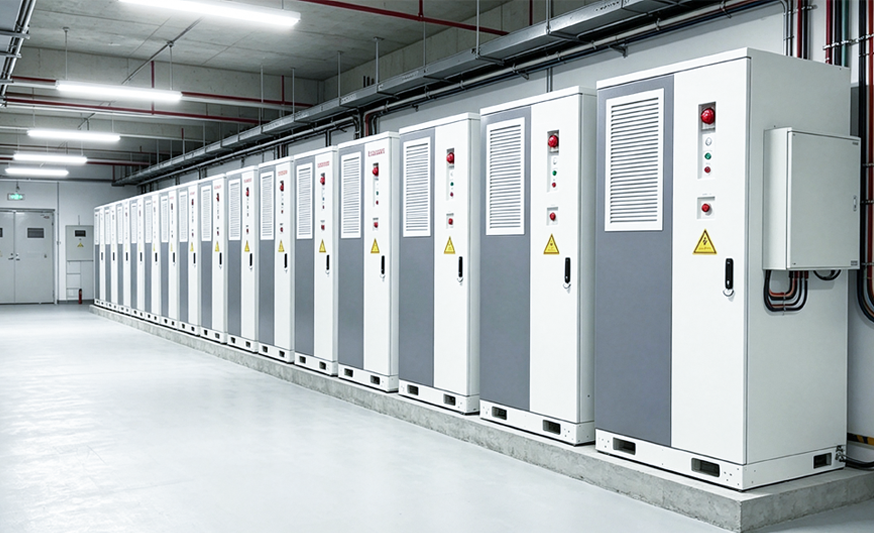
An integrated commercial and industrial (C&I) storage system may combine battery modules, a battery management system (BMS), a power conversion system (PCS), an energy management system (EMS), thermal management, and safety components. The exact configuration depends on the selected model.
Buyers should confirm which functions are included in the quoted package and which require external equipment or engineering work.
An integrated cabinet does not automatically include a site transformer, external switchgear, revenue-grade metering, utility communication equipment, or building control integration. We recommend documenting these boundaries in the technical proposal.
Commercial facilities often have established electrical infrastructure, including transformers, distribution panels, photovoltaic inverters, generators, and building management systems. The storage system must be engineered around the actual site configuration rather than connected based on nominal power ratings alone.
Before installation, the project team should establish responsibility for the following interfaces:
At Luzhihang, we recommend confirming the proposed integration arrangement with the project engineer before the equipment configuration is finalized. This helps identify external hardware and engineering tasks that may otherwise be overlooked.
Electrical compatibility is only part of system integration. The equipment must also exchange information correctly. Supported interfaces may include Modbus TCP, Modbus RTU, CAN, or RS485, depending on the devices and configuration. Protocol availability alone does not guarantee compatibility because register maps, data formats, firmware, and control permissions must also match.
Procurement teams should request clear answers to these questions:
For example, a factory may want its battery to charge during periods of lower electricity prices and discharge during peak-demand periods. The control strategy must account for the facility load profile, meter data, inverter capabilities, and any utility restrictions. The EMS should not be assumed to support every control function without model-specific confirmation.
Responsibility for system integration should extend beyond wiring and communication. Commercial storage projects may require electrical design reviews, protection coordination, fire safety planning, utility approval, and documented commissioning procedures.
These responsibilities can vary by contract. The project team should identify the party accountable for factory acceptance testing (FAT), site acceptance testing (SAT), commissioning records, and final operational approval. Applicable certificates and grid requirements should be verified for the exact system configuration and installation location.
At Luzhihang, we suggest preparing a written interface and responsibility matrix before finalizing the purchase order. The document should list each subsystem, its supplier, its communication requirements, and the party responsible for installation, configuration, testing, and approval.
Buyers should also confirm whether the quotation includes external cabling, switchgear, meters, software configuration, engineering changes, on-site support, and commissioning. Any excluded work should be assigned to a named contractor and reflected in the project budget.
A well-defined integration plan makes an all-in-one storage installation easier to coordinate without assuming that every site connection is included in the cabinet package. By confirming electrical interfaces, communication protocols, safety responsibilities, and acceptance procedures early, project owners can reduce uncertainty during installation and establish a clearer path toward reliable system operation.
Recommended Products


Building B1, No. 66 Weishanhu Road, Kunshan Economic and Technological Development Zone, Kunshan City, Jiangsu Province, P.R.China

frank@luzhihang.com

+86 139 5488 6787


 English
 Español
 عربى