2026-10-23
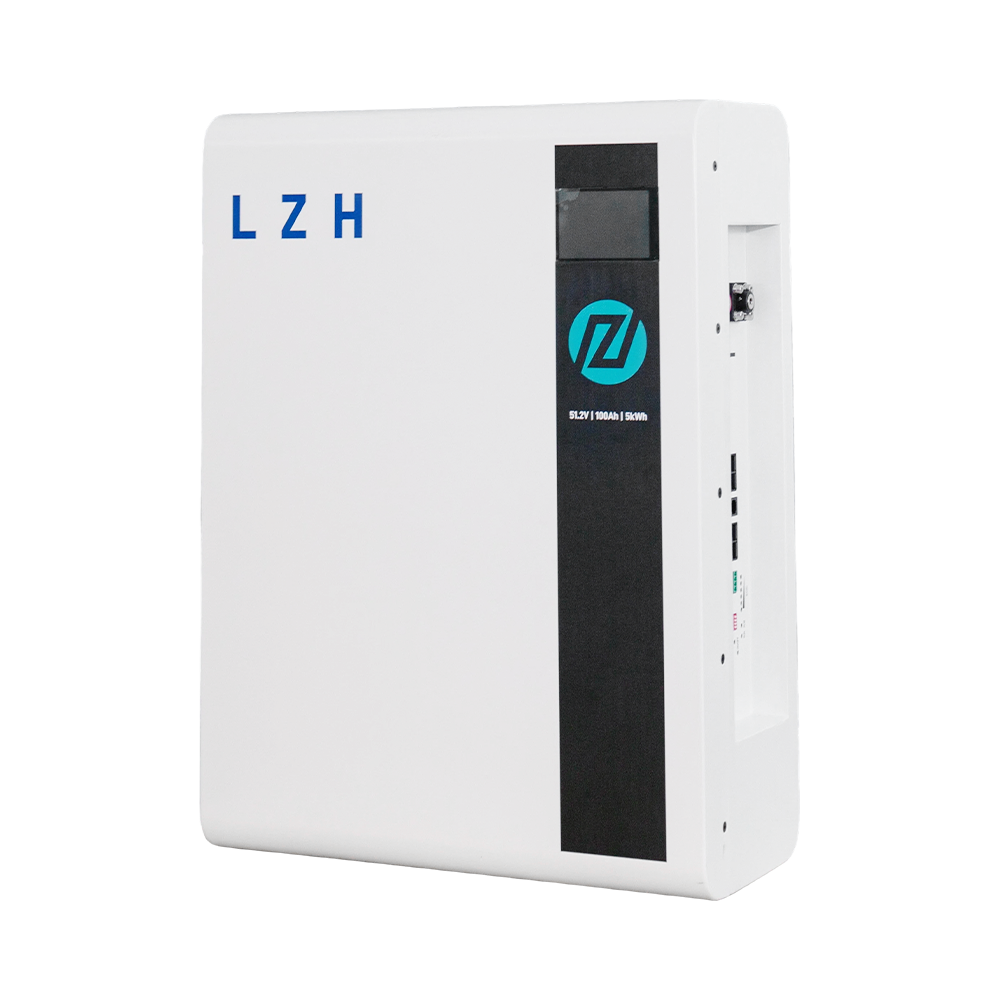
A residential battery develops an alarm, stops charging, or fails to provide backup power during an outage. The homeowner's next question is straightforward: should the claim go to the installer, the battery supplier, or the equipment manufacturer? At Luzhihang, we recommend clarifying these responsibilities before purchasing a Wall-Mounted Energy Storage System. A clearly defined warranty process helps homeowners understand whom to contact, which documents to prepare, and what costs may remain outside the coverage.
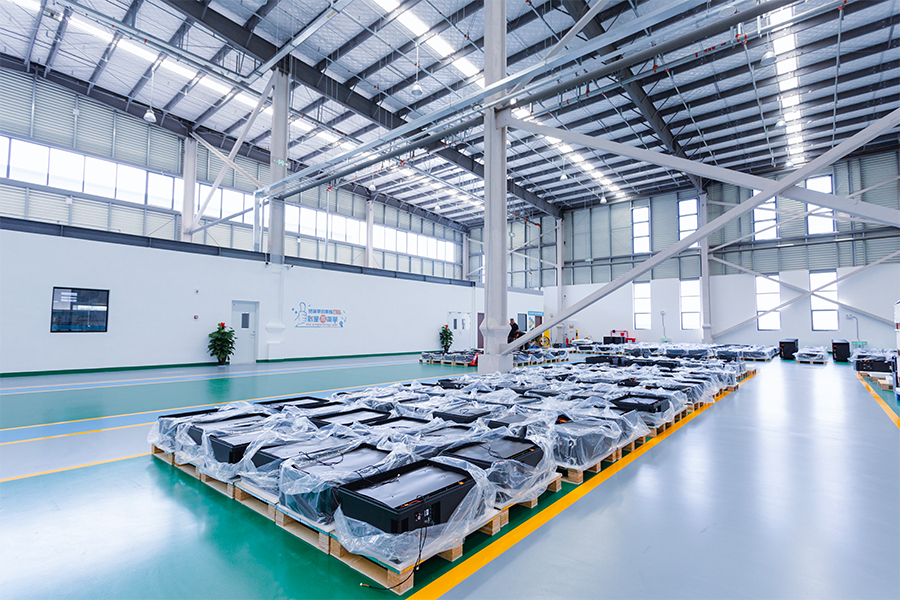
A residential energy storage installation may contain several products supplied by different companies. The warranty provider can vary according to the component, purchase agreement, and installation arrangement.
These responsibilities are not identical across every project. At Luzhihang, we encourage buyers to request written warranty documents and a contact list identifying the responsible party for each major component. This avoids confusion when a system includes equipment from multiple suppliers.
The symptoms of a storage system fault do not always reveal its cause. A battery that fails to charge could have a battery-related issue, an inverter alarm, a communication interruption, or an external electrical problem. Correct diagnosis helps direct the claim to the appropriate party.
Homeowners should avoid opening the battery enclosure or attempting internal repairs. Record the alarm message and contact the designated service provider. Electrical and battery-related troubleshooting should be handled by appropriately qualified personnel.
Incomplete information can delay fault diagnosis and claim assessment. Buyers can reduce administrative work by keeping the system documents together from the installation date.
Buyers should also confirm whether warranty registration is required and whether a particular installer must perform the original installation. Registration deadlines and documentation requirements vary by warranty policy, so the actual product terms should govern the process.
A valid product warranty does not necessarily cover every expense associated with a repair. Some policies cover replacement components but exclude diagnostic visits, labor, removal, reinstallation, or transportation. Other programs provide limited assistance for these expenses subject to specific conditions.
Before approving an order, we recommend checking the following details:
At Luzhihang, we encourage residential storage buyers, installers, and distributors to establish a practical support procedure before the system is commissioned. The agreement should identify the initial contact, the process for technical diagnosis, the documents required for a claim, and the party authorized to approve repairs or replacements.
For distributors purchasing multiple wall-mounted battery units, a documented process is particularly useful. Serial number records, shipment details, installation dates, and claim histories help the service team distinguish individual product issues from recurring installation or configuration problems.
Buyers should also request clarification about technical support availability, escalation procedures, and expected response arrangements. Any stated response or resolution target should be documented rather than assumed from a general warranty statement.
A residential storage quotation should explain more than the battery's capacity and price. It should also identify the warranty provider, applicable coverage, exclusions, registration requirements, and procedures for obtaining support. These details are particularly important for installations involving separate battery and inverter manufacturers.
At Luzhihang, we encourage customers to review the relevant product documentation and confirm the warranty arrangements for their intended market before finalizing an order. A clear division of responsibility helps homeowners understand where to report problems and gives installers and distributors a defined process for coordinating technical support. The result is a more transparent purchasing decision, with fewer unanswered questions about who handles a claim when assistance becomes necessary.
Recommended Products


Building B1, No. 66 Weishanhu Road, Kunshan Economic and Technological Development Zone, Kunshan City, Jiangsu Province, P.R.China

frank@luzhihang.com

+86 139 5488 6787


 English
 Español
 عربى