2026-10-30
A private-label battery sample may look professional, carry the correct logo, and complete a charging cycle without any obvious problems. However, these results do not guarantee that every unit in a bulk shipment will meet the same requirements. At Luzhihang, we encourage brand owners and distributors to treat sample approval as a documented quality checkpoint. An OEM Home Energy Storage project requires consistency across electrical performance, battery management, communication, packaging, and production specifications. A reliable evaluation process connects the approved sample with the product eventually delivered to customers.
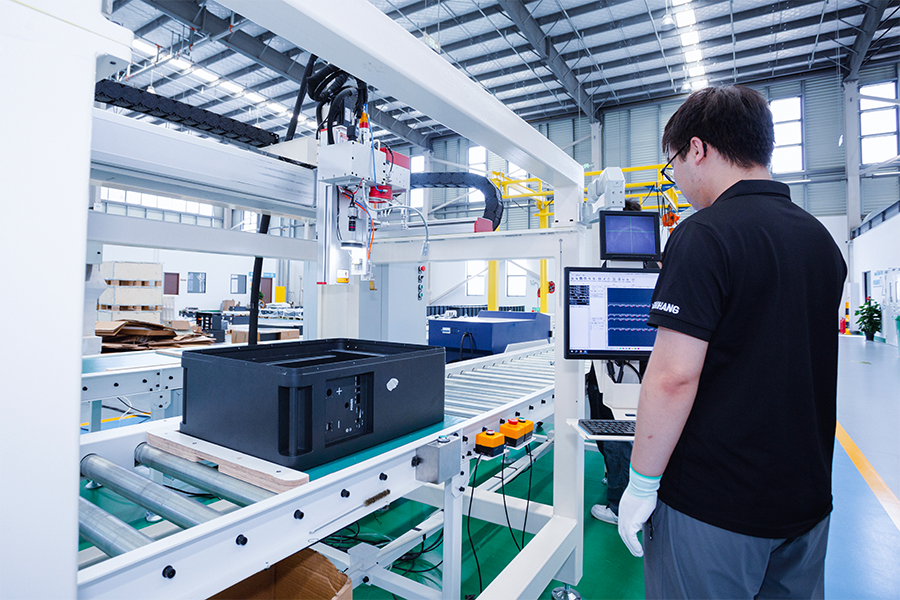
Testing becomes more useful once the buyer and supplier agree on measurable acceptance requirements. A sample should be assessed against the approved datasheet, intended application, and target market rather than general expectations.
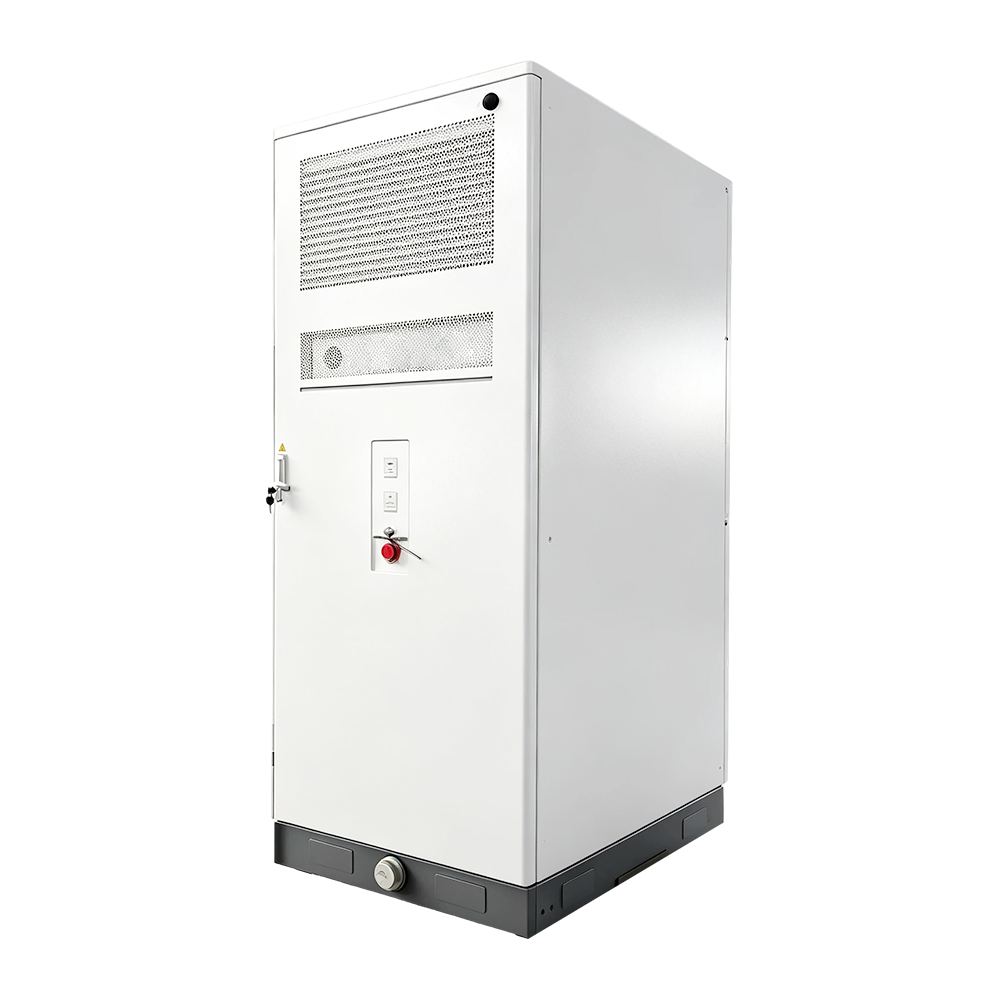
For example, a 5.12 kWh wall-mounted battery sample should be evaluated against the exact model specifications agreed with the supplier. Buyers should not assume that products with similar capacities share identical voltage ranges, communication settings, or installation requirements.
A sample that powers on successfully has passed only an initial functional check. Additional testing can reveal issues that may affect installation, customer satisfaction, and compatibility with other equipment.
Formal capacity testing requires defined conditions, suitable instruments, and an agreed measurement method. A brief functional test should not be presented as proof of rated capacity or long-term durability. Buyers can request factory test reports or independent inspection results where additional verification is necessary.
Branding is part of the product acceptance process, not simply a cosmetic task. Differences between the approved sample and the delivered batch can create problems with product identification, installation, and after-sales support.
At Luzhihang, we recommend recording the following details during sample approval:
OEM projects may involve different levels of customization. A logo change generally affects different processes from a change to the battery enclosure, connectors, or firmware. Buyers should request a new review whenever a technical modification affects the approved configuration.
A single sample represents an individual unit, while a bulk order involves repeated manufacturing operations, component sourcing, assembly, and testing. The supplier's ability to reproduce the approved configuration therefore deserves separate attention.
Distributors may also consider a pilot batch before placing a larger repeat order. Comparing pilot production with the approved sample helps verify packaging consistency, documentation completeness, and the effectiveness of the supplier's inspection process.
Sample testing has greater commercial value when its results become part of the purchasing record. Buyers should retain the signed approval sheet, final datasheet, test results, approved artwork, accessory list, and applicable warranty documents.
The purchase agreement should also define the inspection method, acceptance criteria, treatment of nonconforming units, and process for approving product changes. These terms give both parties a shared reference during production and delivery.
At Luzhihang, we recommend combining sample evaluation with production controls and documented acceptance requirements. Electrical tests can verify specified functions, while communication checks, branding reviews, traceability records, and batch inspections address other risks that a single sample cannot reveal.
Before confirming a private-label battery order, discuss the intended market, target inverter, technical specifications, branding requirements, and inspection expectations with our team. A clear agreement on the approved product version and repeat-production checks helps buyers evaluate supplier capability and build a more dependable quality process for future deliveries.
Recommended Products


Building B1, No. 66 Weishanhu Road, Kunshan Economic and Technological Development Zone, Kunshan City, Jiangsu Province, P.R.China

frank@luzhihang.com

+86 139 5488 6787


 English
 Español
 عربى