2026-11-06
Grid-scale battery storage projects are becoming an important part of modern power infrastructure. Their role extends beyond storing electricity and releasing it during periods of high demand. Large battery installations can provide frequency regulation, voltage support, renewable energy integration, and other grid services. However, connecting a storage facility to an existing transmission network involves more than determining its installed capacity and choosing suitable battery equipment. Grid operators are updating technical standards, modeling procedures, and interconnection review processes to address the changing characteristics of power systems.
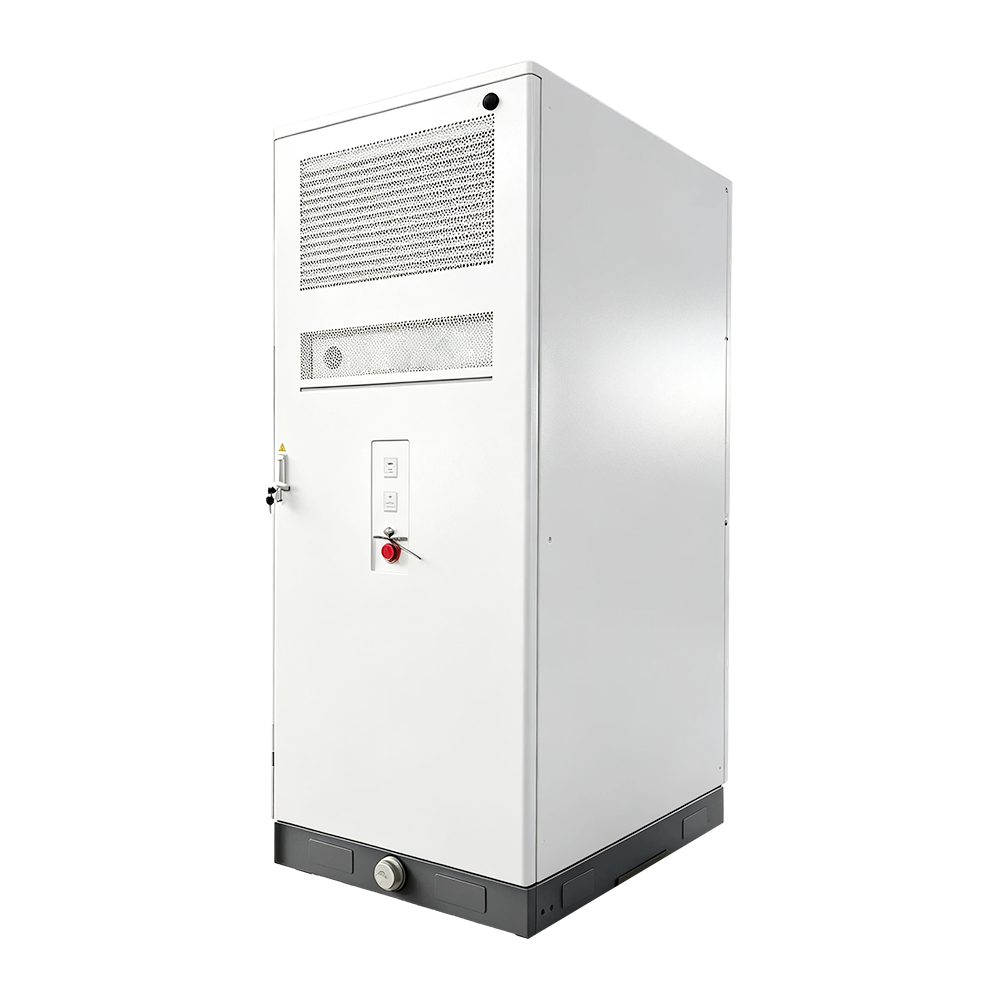
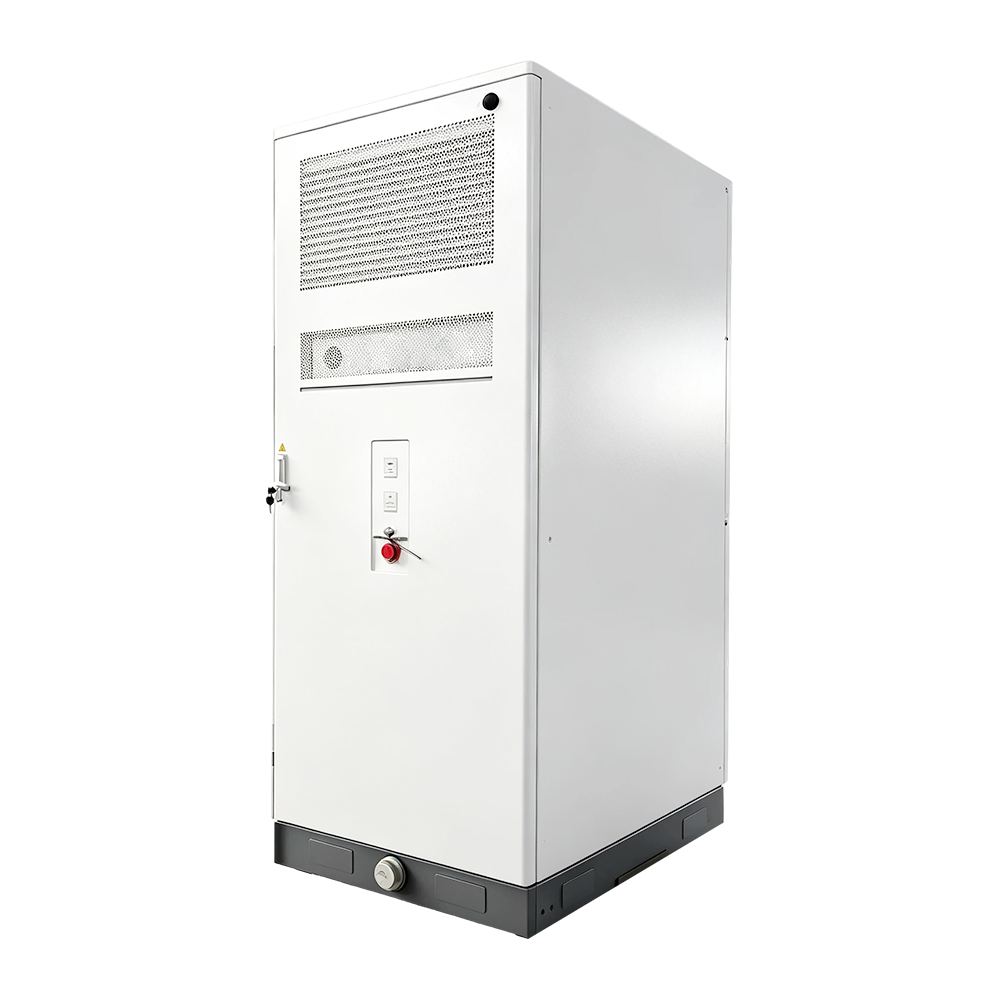
At Luzhihang, we recognize that grid connection requirements deserve attention throughout the project planning and equipment procurement stages. A Utility Energy Storage System must be evaluated according to its intended operating conditions, connection point, inverter capabilities, and applicable grid codes. Project developers who address these factors early can prepare more complete technical submissions and reduce the risk of major design changes during later development stages.
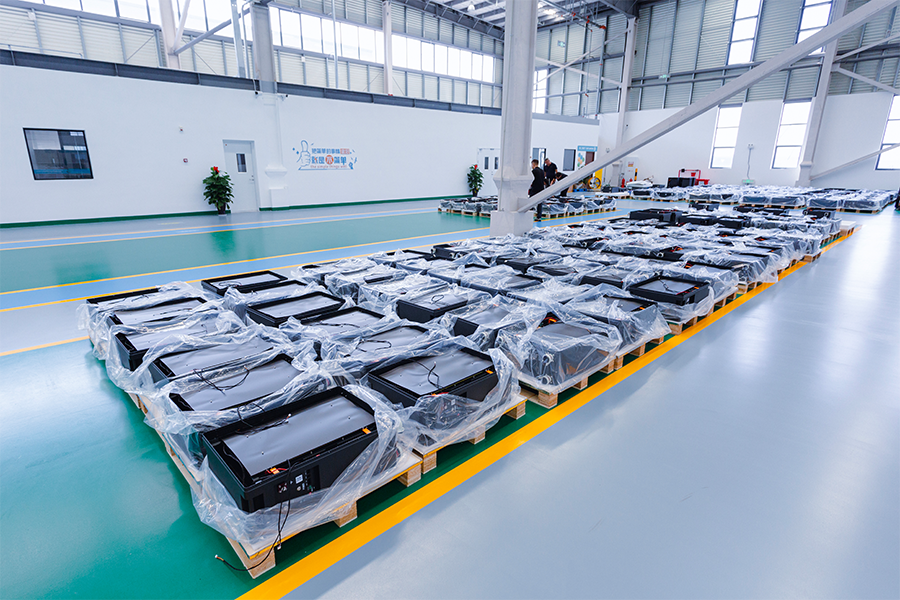
Traditional power generation facilities and battery storage installations have different operating characteristics. A battery system can consume electricity during charging and supply electricity during discharging. This two-way power flow requires grid operators to evaluate operating conditions across different operating modes rather than treating the facility as a conventional generator.
Regulatory developments also affect how projects enter and progress through interconnection queues. In the United States, FERC Order No. 2023 introduced a first-ready, first-served cluster study framework, together with stronger site control and financial readiness requirements. These changes influence project documentation, application preparation, and the allocation of network upgrade costs.
Project developers should examine several areas before submitting an interconnection request:
At Luzhihang, we recommend treating interconnection preparation as an essential part of system planning rather than an administrative task left until equipment procurement is nearly complete.
A battery storage installation does not maintain a constant power direction throughout its operating cycle. Its grid impact depends on the amount of electricity being imported or exported, the duration of each operating period, and the control strategy used by the energy management system.
These characteristics can influence transmission and distribution network studies. An inaccurate operating profile may produce assumptions that do not represent the actual project, potentially requiring additional technical clarification or revised studies.
Several operating parameters deserve attention during project development:
At Luzhihang, we consider these parameters together when discussing a Utility Energy Storage System. Battery capacity alone cannot describe the complete electrical behavior of a project. The power conversion system (PCS), transformer configuration, control settings, and grid connection conditions also influence the final system design.
Battery storage facilities rely on power electronic inverters to convert direct current from battery modules into alternating current for grid connection. Their control capabilities have a direct relationship with voltage regulation, frequency response, fault behavior, and overall system stability.
Grid operators are paying closer attention to inverter-based resources as renewable generation and battery installations account for a growing share of electricity supply. FERC approved additional reliability standards for inverter-based resources in July 2025, addressing their ability to remain connected during voltage and frequency disturbances.
Project developers should review the following inverter-related requirements:
Another developing area is grid-forming inverter technology. Unlike conventional grid-following controls, which generally synchronize with an existing grid voltage reference, grid-forming controls can establish an internal voltage reference and respond to changing network conditions. Their application may be particularly relevant in systems with low short-circuit strength or a high proportion of inverter-based resources.
Not every project requires identical grid-forming functions. Luzhihang encourages project developers to confirm the required control mode with the relevant transmission operator before finalizing the PCS configuration.
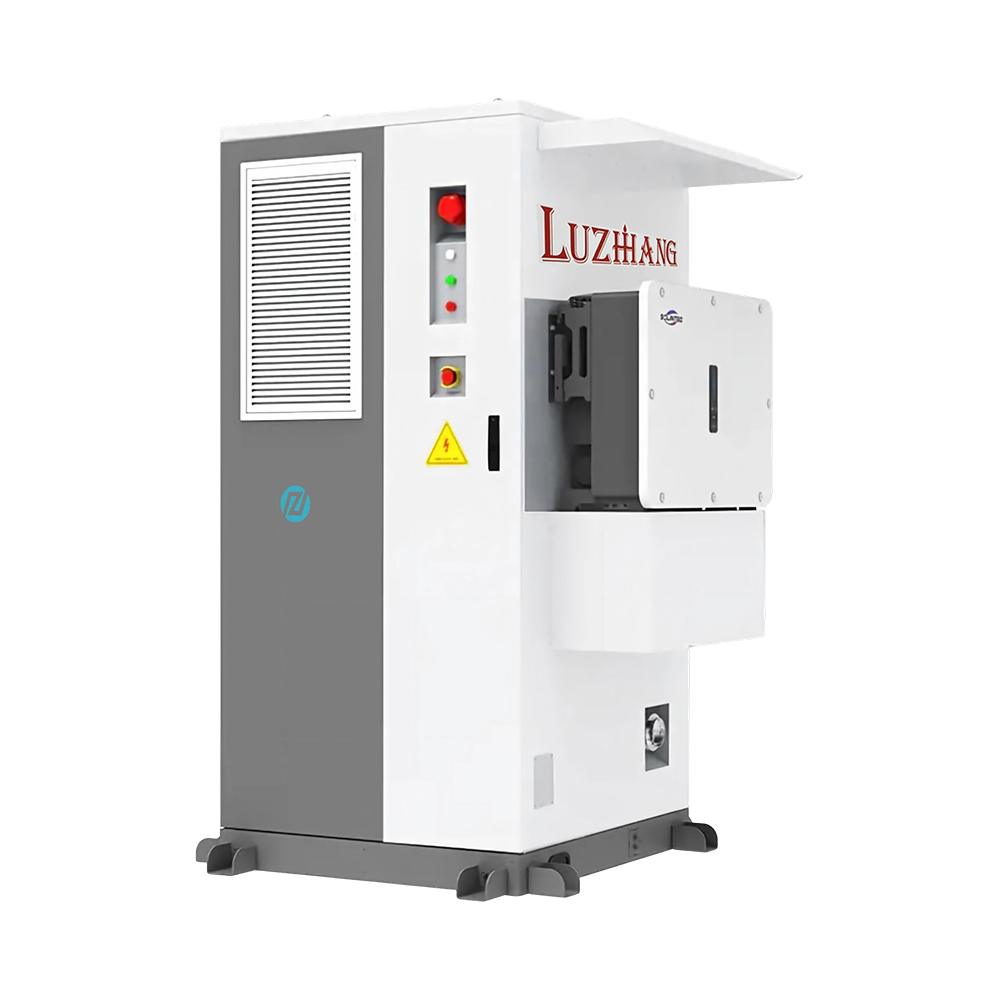
Grid connection requirements also influence the electrical architecture between battery containers and the transmission or distribution network. A utility-scale installation may include battery racks, DC combiner equipment, PCS units, step-up transformers, medium-voltage switchgear, protection relays, and a high-voltage connection interface.
Each component must be compatible with the project's electrical design and the requirements established by the grid operator.
Important specifications to review include:
Equipment substitutions during procurement should also receive technical review. Replacing a transformer, inverter, or protection component with a different model may affect electrical characteristics and approved study assumptions. Project teams should maintain consistent equipment documentation across engineering, procurement, and commissioning activities.
Transmission operators use power system models to examine how a proposed storage installation may affect the surrounding network. These studies can evaluate steady-state voltage behavior, fault conditions, transient stability, frequency response, and other operating scenarios.
Incomplete or inconsistent equipment data can create difficulties during technical reviews. Battery storage developers should therefore coordinate with equipment suppliers to obtain the information needed for grid modeling.
Typical technical documents may include:
Model validation is another important consideration. The submitted simulation model should accurately represent the equipment and control configuration intended for installation. Changes to inverter firmware, control settings, or electrical components may require further technical assessment depending on the applicable interconnection procedures.
At Luzhihang, we view technical documentation as part of the overall equipment supply process. Clear communication between project developers, system integrators, and equipment manufacturers helps maintain consistency between the proposed design and the equipment delivered to the site.
Combining solar generation with battery storage is an increasingly relevant configuration for utility-scale energy projects. A shared grid connection can provide opportunities to coordinate renewable electricity generation, battery charging, and scheduled power delivery.
However, co-location introduces additional engineering considerations. The project must establish how different generation and storage assets interact behind the point of interconnection and how their combined output is controlled.
Project developers should clarify several technical and commercial details:
FERC Order No. 2023 also addresses co-located generating facilities and shared interconnection arrangements. Nevertheless, the applicable procedures depend on the transmission provider and project configuration. Developers should not assume that every additional storage unit can be incorporated without further review.
Equipment procurement and grid approval are closely connected. A project may have a defined battery capacity and site layout, but its final equipment configuration still needs to satisfy the electrical and operational conditions established during interconnection studies.
Purchasing decisions made without reviewing these conditions can create compatibility issues, additional engineering work, and changes to the project schedule.
We recommend that procurement teams establish a technical review process covering the following points:
A Utility Energy Storage System should be assessed as an integrated electrical installation rather than a collection of independently purchased battery products. This approach gives project teams a clearer basis for supplier evaluation and technical coordination.
Completing equipment installation does not automatically authorize a storage facility to operate at its full planned capacity. Grid-connected projects generally need to complete specified inspections, functional tests, protection checks, and commissioning procedures before commercial operation.
The commissioning scope should reflect the approved interconnection agreement and relevant technical standards.
Typical verification activities include:
Site acceptance procedures should also establish how test results are recorded, reviewed, and submitted to the relevant utility or transmission operator. Clear commissioning responsibilities can help prevent disagreements between the equipment supplier, system integrator, EPC contractor, and project owner.
Grid-scale storage development involves several connected decisions, from site selection and interconnection applications to electrical equipment procurement and final commissioning. Changing grid requirements make early technical coordination particularly important. Battery capacity, inverter controls, transformer specifications, protection arrangements, and simulation models must work together within the approved project framework.
At Luzhihang, we focus on understanding project requirements and coordinating energy storage system configurations with the intended application. Our approach emphasizes technical specification review, equipment compatibility, electrical integration, and communication throughout the project preparation process.
Developers planning a new Utility Energy Storage System should prepare the relevant grid connection documents before confirming their equipment configuration. Sharing the proposed MW/MWh rating, connection voltage, operating duration, site conditions, and applicable grid code provides a practical starting point for technical discussions.
Planning a utility-scale battery storage project? Contact Luzhihang at luzhihang.com to discuss your project requirements and equipment configuration. A well-prepared interconnection plan provides a clearer foundation for procurement, engineering coordination, and the transition from project development to grid-connected operation.
Recommended Products


Building B1, No. 66 Weishanhu Road, Kunshan Economic and Technological Development Zone, Kunshan City, Jiangsu Province, P.R.China

frank@luzhihang.com

+86 139 5488 6787


 English
 Español
 عربى