2026-11-13
Energy storage projects rarely share exactly the same requirements. A commercial facility may need battery capacity to support peak demand, while a solar developer may require storage for renewable energy shifting or scheduled power delivery. Industrial sites, microgrids, and utility projects also have different operating conditions, electrical interfaces, and installation limitations. These differences make project definition an important part of the procurement process.
At Luzhihang, we believe a Custom Energy Storage System should be developed around clearly documented application requirements rather than a standard equipment configuration. A well-prepared project scope helps buyers communicate their expectations, compare supplier proposals, and avoid misunderstandings during equipment integration.
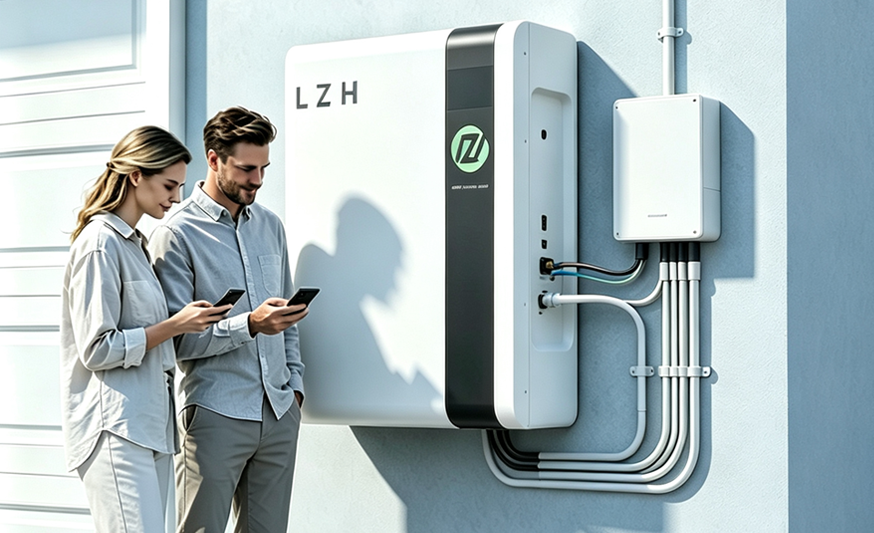
The intended application establishes the technical direction of an energy storage project. Battery capacity and inverter power should reflect the required operating behavior instead of being estimated from general industry references.
Project owners should clarify several basic questions:
For example, a 500 kW system with 1,000 kWh of nominal battery capacity has a theoretical two-hour energy-to-power ratio. A project requiring four hours of discharge would need a different capacity arrangement. Actual usable energy also depends on the permitted state-of-charge range, conversion losses, and operating conditions.
Equipment specifications cannot be finalized without understanding the installation environment. Temperature, humidity, available space, grid voltage, and existing electrical infrastructure can all influence system configuration.
At Luzhihang, we recommend that buyers prepare the following site information before requesting a detailed quotation:
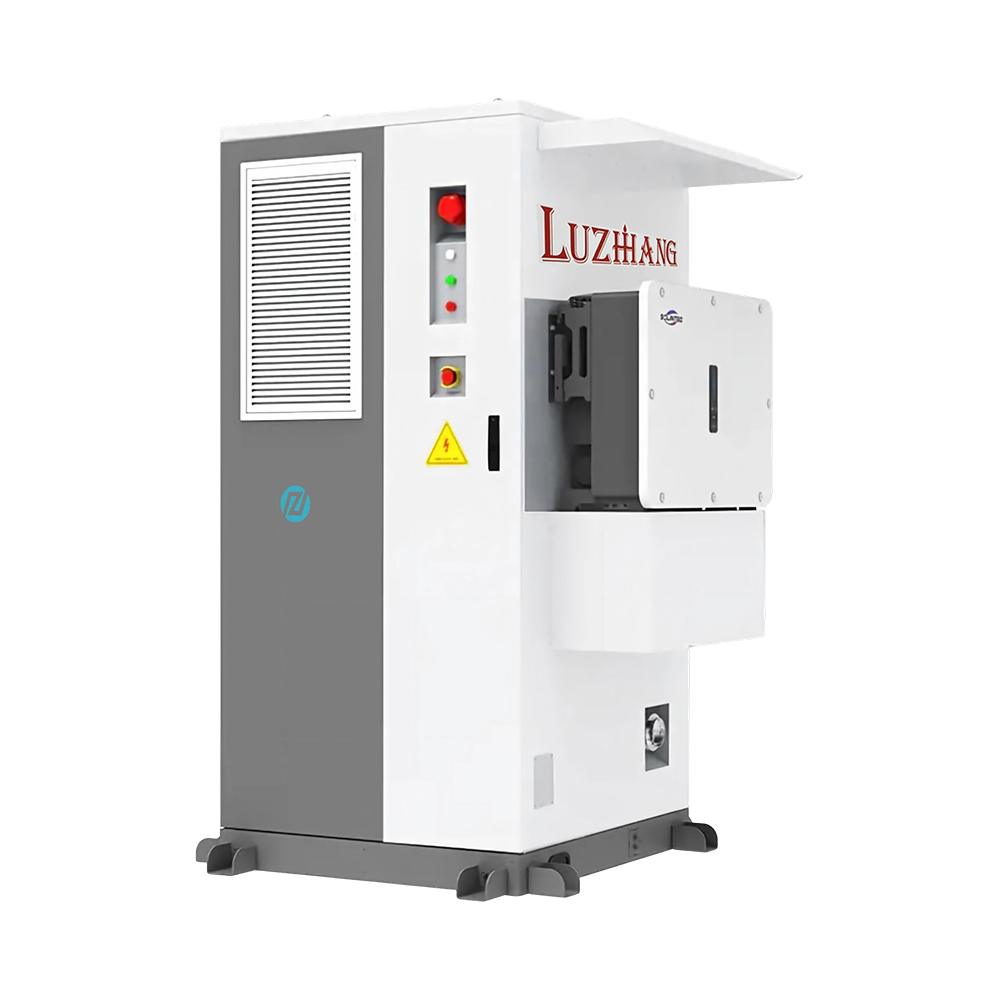
These details help determine whether an outdoor containerized arrangement, indoor battery cabinets, or another equipment layout is appropriate for the project.
Battery capacity is only one part of an energy storage configuration. The power conversion system (PCS), battery management system (BMS), and energy management system (EMS) also influence how the installation operates.
Buyers should pay attention to several technical specifications:
A custom configuration should also account for communication compatibility between the BMS, PCS, and EMS. Clear interface specifications help prevent integration problems during installation and commissioning.
Another important part of project scope definition is identifying which equipment and services are included in the supplier's quotation. Some buyers require a complete integrated energy storage solution, while EPC contractors and system integrators may purchase individual components for their own project designs.
A procurement document should clearly identify responsibility for:
Buyers should also define the boundaries between the equipment supplier, EPC contractor, and local installation team. A responsibility matrix can clarify who handles electrical connections, civil works, grid approvals, testing, and final acceptance.
Different suppliers may quote different configurations even when they receive the same general project description. One proposal may include battery equipment and PCS units, while another may cover a more complete system with EMS, cooling, and protection components.
To make commercial comparisons meaningful, buyers should request consistent information from every bidder:
Performance guarantees also need clearly defined measurement points. For example, battery-side energy capacity and AC energy delivered at the point of connection are different measurements because conversion and auxiliary equipment consume energy. Stating the measurement boundary prevents inconsistent proposal evaluations.
Energy storage requirements may change during project development. A facility may expand its electrical load, introduce solar generation, or revise its operating schedule. The original equipment configuration should therefore be reviewed for potential expansion and integration limitations.
Buyers can discuss several considerations with their suppliers:
Expansion plans should be assessed against battery compatibility, equipment ratings, warranty conditions, and applicable electrical standards. Future capacity should not be assumed to be automatically compatible with the original installation.
Clear project scope definition provides a practical foundation for energy storage procurement. Application objectives, site conditions, battery specifications, electrical interfaces, and supply responsibilities all influence the final configuration.
At Luzhihang, we focus on understanding project requirements and coordinating suitable energy storage configurations for different applications. Whether buyers need a complete system or project-based equipment coordination, detailed technical communication helps establish a clearer supply scope.
Preparing the required MW/MWh capacity, operating duration, installation location, grid voltage, and intended application can make the initial discussion more productive.
Have a customized energy storage project under development? Contact Luzhihang through luzhihang.com to discuss your technical requirements and explore a suitable system configuration for your application.
Recommended Products


Building B1, No. 66 Weishanhu Road, Kunshan Economic and Technological Development Zone, Kunshan City, Jiangsu Province, P.R.China

frank@luzhihang.com

+86 139 5488 6787


 English
 Español
 عربى