2026-11-20
Purchasing an energy storage system involves more than evaluating battery capacity, inverter specifications, and equipment pricing. Buyers also need to understand what happens when a component fails, transportation causes damage, or an integration issue affects system operation. Although an equipment manufacturer may provide a warranty, that commitment does not automatically cover every activity and component involved in delivering a complete storage installation.
At Luzhihang, we believe warranty coverage should be reviewed as part of the overall procurement agreement. An Energy Storage System Factory may supply battery equipment and coordinate different components, but the responsibilities of battery manufacturers, PCS suppliers, logistics providers, and installation contractors can vary. Understanding these boundaries helps buyers evaluate the actual protection included in a supply proposal.
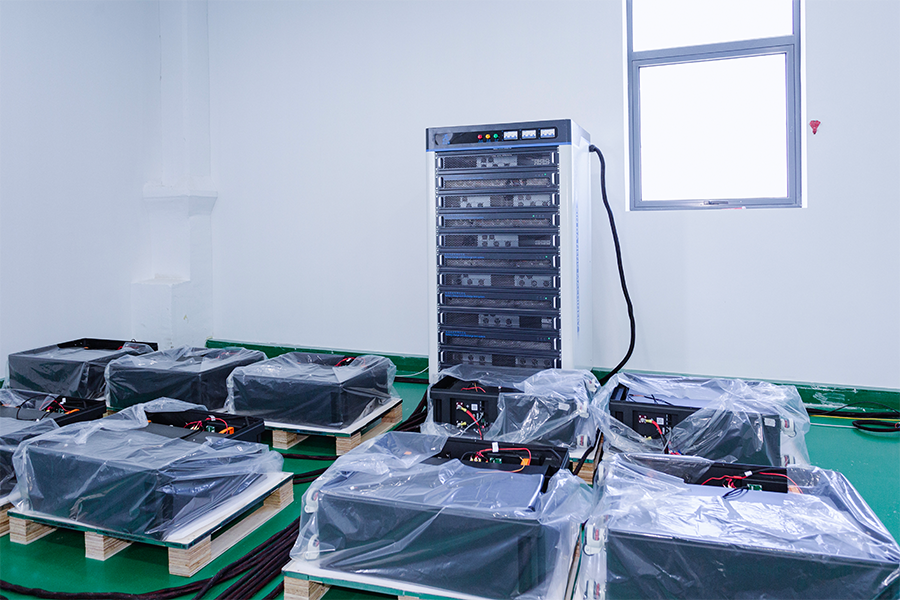
Battery equipment is usually the central part of an energy storage installation, but it is not the only component requiring warranty protection. A complete system may contain several independently manufactured products.
Buyers should examine warranty coverage for the following equipment:
A battery warranty should not be interpreted as a complete system warranty. Buyers need a component-level coverage schedule identifying the responsible manufacturer and applicable warranty period for each major item.
Energy storage equipment often comes from multiple manufacturers. Battery modules, inverters, transformers, switchgear, and fire protection equipment may each have different warranty policies.
These differences can create practical difficulties during a technical claim. A system malfunction may involve several interconnected components, making it difficult to determine which supplier should investigate the problem.
Before signing a purchase agreement, buyers should request:
At Luzhihang, we consider transparent warranty documentation an important part of supplier communication. Clear responsibility arrangements help buyers understand which party handles each type of equipment issue.
Product warranties do not necessarily cover damage occurring during transportation, storage, or on-site installation. These activities may involve logistics companies, warehouse operators, EPC contractors, and local installation teams.
Buyers should review the following responsibilities before shipment:
Delivery terms such as FOB, CIF, and DDP can affect the allocation of transportation responsibilities and costs. However, the parties should also specify how damage claims are handled and whether installation-related defects fall under a separate workmanship warranty.
A product defect warranty and a system performance guarantee serve different purposes. The former generally addresses defective equipment, while the latter establishes agreed operating performance under defined conditions.
Energy storage buyers should pay attention to several measurable indicators:
For example, a battery capacity guarantee measured at the DC side is not identical to an energy delivery guarantee measured at the AC connection point. Conversion losses and auxiliary equipment consumption can affect the results. A clearly defined testing boundary helps prevent disagreements during warranty evaluations.
A written warranty has limited practical value without an effective claim-handling process. Buyers should understand how the supplier responds to equipment problems throughout the coverage period.
Important service arrangements include:
Buyers should also check whether maintenance activities are required to preserve warranty validity. Unauthorized modifications, operation outside specified limits, and insufficient maintenance records may affect coverage under certain agreements.
Warranty discussions should take place before the purchase agreement is finalized. Relying only on a general warranty statement can leave important responsibilities undefined, particularly for projects involving several equipment manufacturers.
At Luzhihang, we recommend that procurement teams organize warranty requirements into a structured document covering:
A responsibility matrix can further clarify which party handles equipment defects, system integration problems, transportation damage, and installation-related issues. Buyers should also review how warranty rights transfer to project owners, lenders, or subsequent asset purchasers.
Supply chain warranty coverage is an important part of energy storage procurement. A battery manufacturer's commitment may cover individual battery components, while PCS equipment, cooling systems, software, transportation, and installation can involve separate agreements. Buyers need to understand these distinctions before comparing supplier quotations.
At Luzhihang, we emphasize clear technical specifications, equipment coordination, and communication about supply responsibilities. Our approach is to help customers establish a better understanding of the proposed system configuration and the documentation required for procurement evaluation.
Planning an energy storage equipment purchase? Contact Luzhihang through luzhihang.com to discuss your project specifications, component coverage requirements, and warranty documentation. A clearly defined agreement can provide a more transparent basis for supplier cooperation and long-term project management.
Recommended Products


Building B1, No. 66 Weishanhu Road, Kunshan Economic and Technological Development Zone, Kunshan City, Jiangsu Province, P.R.China

frank@luzhihang.com

+86 139 5488 6787


 English
 Español
 عربى