2026-11-27
Commercial battery storage is becoming an important investment consideration for factories, warehouses, office buildings, and other energy-intensive businesses. However, purchasing a battery system is not the only way to access storage services. Companies can also work with third-party developers, enter leasing agreements, or purchase energy services under long-term contracts.
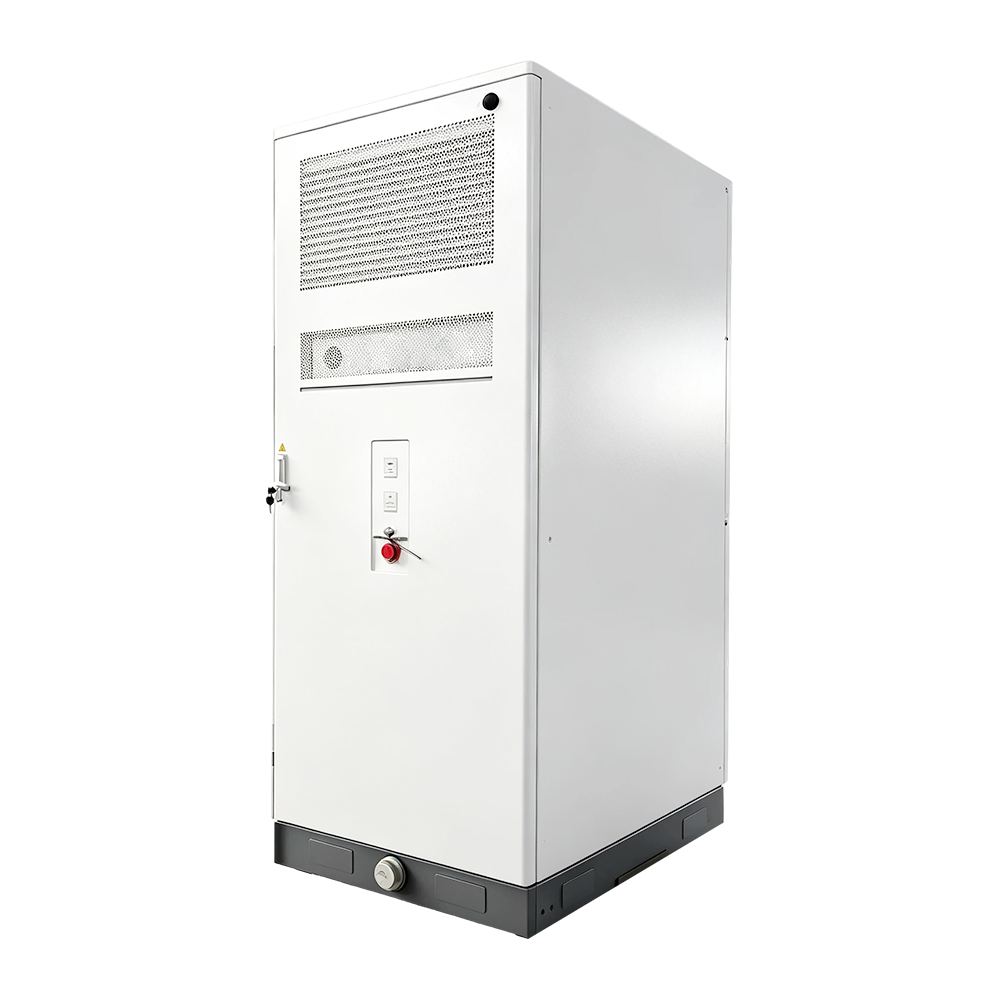
Each arrangement creates a different balance between capital investment, operational control, financial returns, and technical responsibilities. At Luzhihang, we believe ownership should be considered alongside system configuration and project requirements. A C&I Battery Energy Storage System should fit the company's financial strategy as well as its electricity consumption profile.
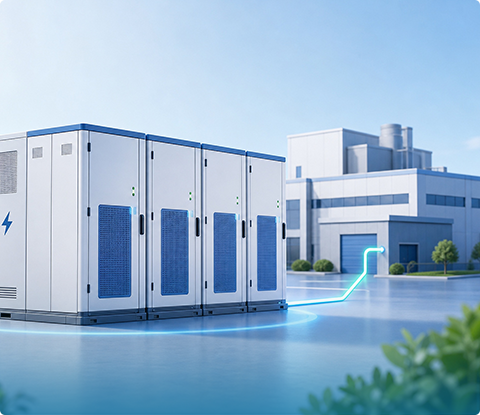
Under a direct purchase model, the business finances and owns the battery installation. The company can determine how the system is operated, subject to grid regulations, equipment warranties, and applicable electricity market rules.
This arrangement may suit companies with available capital and established energy management capabilities.
Direct ownership also requires careful financial planning. Battery degradation, electricity tariff changes, equipment replacement, and project financing costs can affect the actual investment outcome.
Some businesses prefer to use storage capacity without purchasing the physical equipment. Under a third-party ownership arrangement, an energy service company or project developer finances and owns the installation while providing agreed services to the customer.
Commercial arrangements may include energy-as-a-service contracts, shared-savings agreements, or storage service agreements.
Important contract conditions include:
This structure can reduce the customer's upfront financial commitment. However, businesses should examine whether the contracted services cover their actual operational needs and whether additional savings remain accessible to them.
A lease arrangement allows a company to use an energy storage installation owned by a financing provider or equipment lessor. The customer pays according to an agreed schedule rather than purchasing the entire system at the beginning of the project.
Compared with a service-based arrangement, leasing may provide greater flexibility over system operation, depending on the contract. The customer should still review restrictions covering equipment modifications, operating cycles, maintenance, and dispatch control.
Several financial and contractual details deserve attention:
Leasing may be relevant to businesses that prefer predictable payment arrangements but do not want to commit substantial capital to equipment ownership. Accounting and tax treatment should be reviewed with qualified financial advisers under the applicable jurisdiction.
The financial structure is only one part of the decision. Businesses also need to determine how the battery system will contribute to their electricity management strategy.
Common commercial and industrial applications include:
Each application has different technical requirements. For example, a facility focused on peak shaving may prioritize discharge power and daily operating schedules, while a solar-integrated project may place greater emphasis on energy capacity and coordination with photovoltaic inverters.
At Luzhihang, we recommend defining the intended operating strategy before comparing ownership proposals. The required battery capacity, PCS rating, EMS functions, and installation configuration should reflect the facility's actual electricity profile.
A lower initial investment does not necessarily represent a lower total project cost. Commercial buyers should evaluate financial commitments across the expected operating period.
A useful comparison should include:
Businesses should also examine who receives any additional revenue from grid services or energy market participation. Such opportunities depend on local regulations, market access, metering arrangements, and contractual dispatch rights.
Ownership decisions can influence equipment procurement and system integration. A company purchasing the complete installation may have different documentation and service requirements from a developer supplying equipment under an energy-as-a-service agreement.
Before requesting proposals, buyers should prepare several project details:
These details help suppliers and project developers understand the commercial scope before preparing technical and financial proposals.
There is no universal ownership structure for commercial battery storage. Direct purchasing may suit businesses that value asset control and have sufficient investment resources. Leasing and third-party ownership can offer alternative financing arrangements for companies that prefer to limit upfront expenditure or outsource selected operating responsibilities.
At Luzhihang, we focus on understanding customer applications and coordinating suitable commercial and industrial energy storage configurations. Battery capacity, PCS ratings, EMS functions, and installation conditions should be considered alongside the intended ownership and operating model.
Planning a commercial battery storage project? Contact Luzhihang through luzhihang.com to discuss your application, technical specifications, and system configuration requirements. A clearly defined project structure can provide a more practical foundation for equipment procurement and long-term cooperation.
Recommended Products


Building B1, No. 66 Weishanhu Road, Kunshan Economic and Technological Development Zone, Kunshan City, Jiangsu Province, P.R.China

frank@luzhihang.com

+86 139 5488 6787


 English
 Español
 عربى